

Introduction
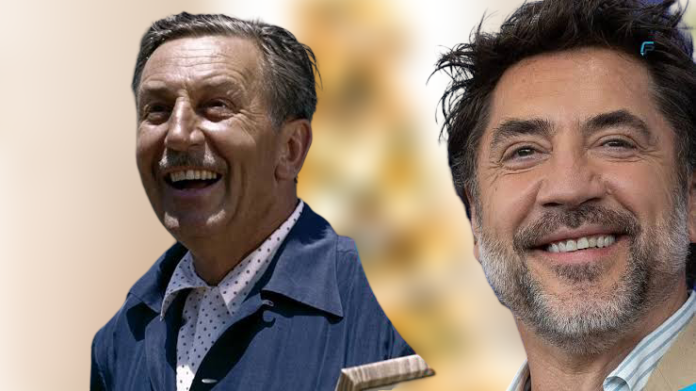
Walt Disney and Javier Bardem are two well-known names in the entertainment industry, but they represent different generations, creative styles, and approaches to filmmaking. Walt Disney became famous for transforming animation and family entertainment, while Javier Bardem earned international recognition for his powerful performances in films ranging from intense dramas to major Hollywood productions.
Although their careers developed in different periods, both have contributed to the evolution of cinema. Disney helped establish storytelling as the foundation of a global entertainment empire, while Bardem demonstrated how an actor’s emotional depth and versatility can bring complex characters to life. Their professional journeys offer an interesting look at how the film industry has changed over the decades.
The keyword “Walt Disney and Javier Bardem” brings together two figures whose names are associated with different sides of filmmaking. Understanding their backgrounds, achievements, and influence helps explain why both remain important subjects for movie fans. However, it is important to clarify that they belong to different generations, and there is no widely documented direct personal partnership between them.
Who Was Walt Disney?
Walt Disney, born Walter Elias Disney on December 5, 1901, in Chicago, Illinois, was an American entrepreneur, animator, film producer, and storyteller. He became one of the most influential figures in the history of animation by combining creative imagination with technological innovation and business ambition. His work helped transform cartoons from short entertainment pieces into a major part of the motion-picture industry.
Disney developed an interest in drawing at an early age. As he grew older, he pursued opportunities in commercial art and animation, eventually moving to California to build his career. In 1923, he and his brother Roy O. Disney established the business that developed into the Walt Disney Studio. Their partnership combined Walt’s creative vision with Roy’s important business and financial contributions.
One of Disney’s most recognizable achievements was the creation of Mickey Mouse, who made his major public screen debut in Steamboat Willie in 1928. Disney continued expanding his studio’s creative ambitions, helping popularize animated feature films and introducing audiences to memorable characters and stories. His influence eventually extended beyond movies into television, merchandise, and theme parks. His biography and professional achievements are documented by the D23 official Disney fan and history site.
Walt Disney’s Greatest Contributions to Cinema
Walt Disney changed the way audiences experienced animated entertainment. Before his most successful feature films appeared, animation was often associated with short cartoons shown before or between other films. Disney believed animated stories could sustain the emotional depth, character development, music, and dramatic structure of a full-length motion picture.
That vision became particularly important with Snow White and the Seven Dwarfs, which premiered in 1937. The film demonstrated that audiences would watch and emotionally connect with a feature-length animated story. Its commercial and artistic success helped establish animation as a serious form of cinematic storytelling and encouraged other studios to explore the format.
Disney also supported experimentation with color, sound, camera techniques, and visual effects. Productions such as Pinocchio, Fantasia, and Bambi showed different ways animation could communicate emotion and create immersive worlds. His commitment to innovation helped establish techniques and creative standards that influenced generations of animators and filmmakers.
How Walt Disney Built a Global Entertainment Legacy
Walt Disney’s ambitions extended far beyond animated movies. He recognized that audiences could connect with fictional characters and stories through different forms of entertainment. This understanding helped him expand his business into television, merchandise, and immersive attractions, creating a model that would influence entertainment companies for decades.
Disneyland, which opened in California in 1955, reflected his belief that entertainment could become a physical experience. Instead of simply watching a story on a screen, visitors could enter carefully designed environments inspired by fantasy, adventure, and imagination. The park helped establish a new approach to family entertainment and became a major attraction for visitors from around the world.
Although Walt Disney died on December 15, 1966, his creative legacy continued through the company he helped establish. The Walt Disney Company later expanded into numerous entertainment fields, including animation, live-action filmmaking, television, and streaming. Disney’s lasting influence is not limited to the films he personally produced; it also includes the business model and storytelling traditions that continue to shape popular entertainment.
Who Is Javier Bardem?
Javier Bardem is a Spanish actor internationally recognized for his versatility, emotional intensity, and ability to portray complicated characters. Born on March 1, 1969, in Las Palmas de Gran Canaria, Spain, he grew up in a family with strong connections to film and theatre. His mother, Pilar Bardem, was an established actress, and his uncle, Juan Antonio Bardem, was a respected filmmaker.
Bardem’s early exposure to the entertainment industry helped introduce him to acting, but his success ultimately came from developing his own distinctive screen presence. He began appearing in Spanish productions while young and gradually built a reputation for delivering compelling performances. His work in European cinema gave him opportunities to explore characters with complicated emotions, difficult personal circumstances, and conflicting motivations.
As his career progressed, Bardem attracted attention beyond Spain. His ability to perform in Spanish-language and English-language productions helped him reach a wider international audience. Rather than limiting himself to one genre, he has appeared in dramas, thrillers, romantic films, and major studio productions. His career is profiled by the Festival de Cannes official website.
Javier Bardem’s Most Memorable Film Performances
One of Javier Bardem’s major career milestones was his performance in Before Night Falls (2000), in which he portrayed Cuban writer Reinaldo Arenas. The role required him to communicate the character’s artistic ambitions, personal struggles, and experiences under political oppression. Bardem’s performance received international acclaim and earned him an Academy Award nomination for Best Actor, helping introduce him to a much broader audience.
Another defining moment came with No Country for Old Men (2007), directed by Joel and Ethan Coen. Bardem played Anton Chigurh, a frightening and unpredictable criminal whose quiet manner made him especially memorable. The performance demonstrated his ability to create tension through restrained dialogue, facial expressions, and carefully controlled movements. It also earned him the Academy Award for Best Supporting Actor.
Bardem has continued to take on diverse roles throughout his career. His performances in films such as Biutiful, Skyfall, and Being the Ricardos demonstrate his willingness to explore different characters and cinematic styles. In Skyfall, he portrayed Raoul Silva, a villain whose charm and intelligence contrasted with his dangerous intentions. These performances helped establish Bardem as an actor capable of moving between independent films and large-scale Hollywood productions.
Javier Bardem’s Awards and Professional Recognition
Awards can help measure an actor’s impact, although they do not tell the whole story of a successful career. In Bardem’s case, his recognition from major film organizations reflects both his technical ability and his willingness to take on challenging roles. His Academy Award win for No Country for Old Men remains one of the most significant milestones in his career.
Bardem has also received substantial recognition in Spanish and European cinema. His performances have earned honors from the Goya Awards and other film organizations, demonstrating that his achievements extend beyond Hollywood. This international recognition is important because it highlights the influence of Spanish-language cinema on the broader film industry.
His career also illustrates the value of versatility. Bardem can portray characters who are sympathetic, threatening, vulnerable, or morally complicated. Rather than relying on a single screen persona, he adapts his acting style to the demands of each production. That flexibility has helped him remain a respected performer across different genres and filmmaking traditions.
Walt Disney and Javier Bardem: What Connects Them?
At first glance, Walt Disney and Javier Bardem may appear to have little in common. Disney was primarily a producer, animator, entrepreneur, and entertainment pioneer, while Bardem is known mainly for his work as an actor. Their careers also belong to different historical periods, making a direct professional collaboration between them impossible.
Nevertheless, their careers connect through the broader history of filmmaking. Disney helped develop the commercial and creative foundations of modern entertainment, while Bardem represents the international acting talent that has become an important part of contemporary cinema. Both illustrate how films can reach audiences across national borders and cultural differences.
Their connection is therefore best understood through their contributions to the same industry rather than through an assumed personal relationship. Disney helped expand the possibilities of screen storytelling, while Bardem has demonstrated the expressive power of live-action performance. Together, their careers provide an interesting comparison between two different forms of cinematic achievement.
Comparing Their Approaches to Storytelling
Walt Disney’s approach to storytelling focused heavily on memorable characters, emotional accessibility, imaginative settings, and carefully constructed narratives. His animated films often explored themes such as courage, friendship, personal growth, family, and hope. Although many of these stories were designed to appeal to children, their emotional themes also helped attract adult audiences.
Javier Bardem’s performances frequently explore more complicated emotional and psychological territory. His characters may struggle with ambition, guilt, violence, identity, or moral uncertainty. Instead of building entire fictional worlds, Bardem uses body language, voice, timing, and emotional interpretation to make individual characters feel convincing and distinctive.
Despite these differences, both approaches depend on the audience’s ability to connect with a story. Disney used animation and visual imagination to communicate emotions, while Bardem uses the details of human performance to make characters believable. Their work shows that successful filmmaking can take many forms, provided the story and its characters engage the audience.
Their Influence on the Global Entertainment Industry
Walt Disney’s influence can be seen in the worldwide popularity of animated films and the growth of entertainment franchises. His studio helped demonstrate that fictional characters could become recognizable cultural figures across generations. The combination of storytelling, music, visual design, and business development established a model that entertainment companies continue to study.
Javier Bardem’s influence is different but equally relevant to discussions of international cinema. His success helped demonstrate that an actor working across Spanish and English-language productions could achieve recognition in different markets. His career also shows how performers can move between independent projects and major studio films without abandoning challenging roles.
Both careers illustrate the importance of artistic identity. Disney became associated with imaginative family entertainment, while Bardem became known for intense and frequently unconventional performances. Their achievements remind audiences that the entertainment industry benefits from a wide range of creative voices, genres, and storytelling methods.
How Their Careers Reflect Changes in Cinema
The period in which Walt Disney worked was marked by major changes in animation, film technology, and the commercial structure of Hollywood. Sound, color, new camera techniques, and feature-length cartoons opened opportunities for filmmakers to experiment with how stories were presented. Disney’s willingness to invest in new methods helped his studio become a major force in entertainment.
By the time Javier Bardem established himself internationally, filmmaking had become increasingly global. Actors could build careers through domestic productions before gaining opportunities in Hollywood and other international markets. Improvements in distribution and international promotion also allowed films to reach audiences far beyond their countries of origin.
Modern audiences now discover films through cinemas, television, and streaming platforms. This creates opportunities for classic Disney productions and contemporary performances by actors such as Bardem to reach new viewers. Although their careers developed under very different conditions, both demonstrate the lasting importance of strong storytelling and memorable screen experiences.
Why People Search for Walt Disney and Javier Bardem
There are several possible reasons people search for the keyword “Walt Disney and Javier Bardem.” Some readers may be interested in learning about both figures, while others may have encountered their names together in an entertainment-related discussion. The keyword can also appeal to people researching famous personalities, movie history, or the differences between classic and contemporary cinema.
However, a shared search phrase does not necessarily indicate a personal relationship, joint project, or confirmed professional connection. Readers should look for reliable sources when investigating claims about actors, producers, film projects, and entertainment companies. Official filmographies, award databases, and established film institutions are useful places to verify information.
Understanding the context behind a keyword is also important for accurate online content. An informative article should explain what is known, distinguish established facts from speculation, and avoid creating a connection simply because two famous names appear together. This approach gives readers useful information while maintaining credibility.
Lessons Aspiring Filmmakers Can Learn From Them
Walt Disney’s career offers an important lesson about creativity and persistence. Developing successful entertainment projects often requires experimentation, patience, and a willingness to improve an idea over time. His work also demonstrates that creative ambition can become more influential when supported by effective teamwork, planning, and an understanding of the audience.
Javier Bardem’s career highlights the value of preparation and versatility. Actors often need to understand a character’s background, motivations, emotional conflicts, and relationships before they can deliver a convincing performance. Bardem’s varied roles demonstrate why challenging oneself with different characters can help develop a stronger artistic range.
Both careers also show that success rarely comes from one achievement alone. Disney built a lasting entertainment legacy through years of creative work and business development, while Bardem developed his reputation through performances across multiple films and genres. For aspiring filmmakers and performers, their journeys underline the importance of continued learning, thoughtful decision-making, and commitment to the craft.
Frequently Asked Questions (FAQs)
1. Who was Walt Disney?
Walt Disney was an American animator, film producer, and entrepreneur best known for helping create Mickey Mouse, developing influential animated films, and founding the Disney entertainment business with his brother Roy.
2. Who is Javier Bardem?
Javier Bardem is a Spanish actor known for films such as No Country for Old Men, Skyfall, and Biutiful. He is widely recognized for his versatility and powerful screen performances.
3. Did Walt Disney and Javier Bardem work together?
There is no widely documented direct collaboration between them. Walt Disney died in 1966, while Javier Bardem was born in 1969.
4. What are Walt Disney’s most important achievements?
His major achievements include helping popularize feature-length animation, bringing Mickey Mouse to audiences, producing influential animated films, and establishing Disneyland.
5. What is Javier Bardem best known for?
Bardem is particularly well known for playing Anton Chigurh in No Country for Old Men, a performance that earned him the Academy Award for Best Supporting Actor.
Conclusion
Walt Disney and Javier Bardem represent two different but valuable contributions to the world of cinema. Disney transformed animation and helped create an international entertainment legacy built around memorable characters, imaginative storytelling, and innovation. Bardem earned worldwide respect through his powerful performances, artistic versatility, and success in Spanish and English-language films.
Although their careers did not overlap in a way that allowed for a direct personal collaboration, their work can be compared through the broader impact of filmmaking. Disney demonstrated how animation could communicate universal emotions, while Bardem showed how a carefully developed performance could make even the most complicated character memorable.
Ultimately, the keyword “Walt Disney and Javier Bardem” offers an opportunity to explore two distinctive entertainment careers. Their stories demonstrate that there is no single path to making a lasting contribution to cinema. Whether through animation, entrepreneurship, or acting, creative professionals can influence audiences and help shape the future of storytelling.
You May Also Read; Ray Dalio and Patricia Poppe