
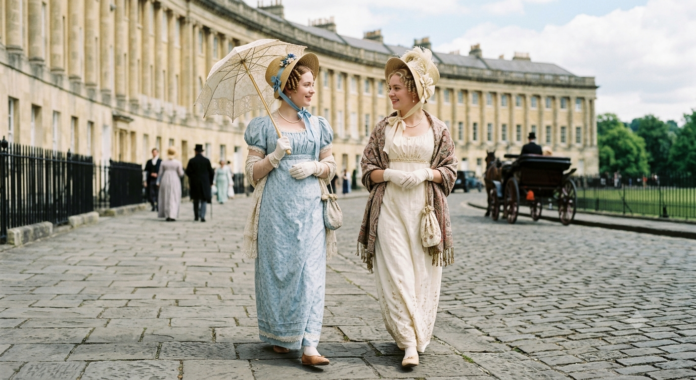

Regency fashion is one of those historical styles that continues to inspire people long after its original era has passed. With its flowing dresses, high waistlines, delicate fabrics, tailored coats, elegant accessories, and graceful silhouettes, Regency clothing has a romantic quality that feels both historical and surprisingly wearable. The style is closely associated with the early 19th century, particularly the period around 1811 to 1820 in Britain, although its influence extended beyond those exact years. Today, Regency fashion is especially popular among history lovers, costume enthusiasts, period-drama fans, and anyone interested in the clothing featured in productions inspired by Jane Austen.
What makes Regency fashion interesting is that it was more than simply a collection of pretty dresses. Clothing reflected changing ideas about society, comfort, class, femininity, masculinity, and even politics. The dramatic changes from the heavier fashions of the late 18th century created a lighter and more natural-looking silhouette. Women’s dresses became less restrictive, while men’s clothing developed toward the tailored styles that would influence modern formalwear. Understanding Regency fashion therefore gives us a fascinating look at how fashion changed alongside society.
Table of Contents
- What Is Regency Fashion?
- When Was the Regency Fashion Era?
- Key Features of Regency Dresses
- Regency Fashion for Women
- Regency Fashion for Men
- Fabrics and Colors Used in Regency Clothing
- Regency Accessories and Hairstyles
- Regency Fashion and Social Class
- The Influence of Jane Austen and Period Dramas
- How Regency Fashion Influences Modern Style
- Frequently Asked Questions
- Final Thoughts
What Is Regency Fashion?
Regency fashion refers to the clothing styles associated with the British Regency period and the years surrounding it. The term is often used broadly for fashion from the late 1790s through the 1820s, although the actual British Regency officially lasted from 1811 to 1820. During this time, George, Prince of Wales, served as Prince Regent because his father, King George III, was considered unable to rule. The era became known for major cultural developments, changing social attitudes, and distinctive clothing.
One of the most recognizable features of Regency fashion was the shift away from the elaborate, heavily structured clothing of previous decades. Women’s dresses became lighter and more flowing, often featuring a raised waistline directly below the bust. This created the famous column-like silhouette that is now strongly associated with Regency style. Men’s clothing, meanwhile, became increasingly fitted and understated, placing greater emphasis on tailoring and a polished appearance.
Although people often imagine Regency fashion as nothing more than empire-waist dresses and elegant balls, the reality was much broader. Everyday clothing varied according to the season, activity, location, age, and social status of the wearer. A woman attending a formal evening event would dress very differently from someone doing household work, traveling, or spending a casual morning at home.
When Was the Regency Fashion Era?
The British Regency officially began in 1811 and ended in 1820 when George IV became king after the death of George III. However, when historians and fashion enthusiasts talk about Regency fashion, they often include styles from several years before and after the official Regency. Fashion rarely changes overnight, so the distinctive clothing of the period developed gradually.
The late 18th century played an important role in shaping Regency clothing. The French Revolution had a major impact on European society and fashion, encouraging a move away from some of the extravagant styles associated with aristocratic life. Clothing became comparatively simpler, and classical influences became increasingly popular. Ancient Greek and Roman art inspired the flowing shapes and high waistlines seen in women’s dresses.
By the 1820s, fashion was already beginning to change again. Women’s waistlines gradually moved lower, skirts became fuller, and sleeves became larger and more dramatic. This means that a dress from 1812 could look noticeably different from one made around 1825. Regency fashion was therefore not a completely fixed style but part of a broader period of rapid fashion development.
Key Features of Regency Dresses
The high waistline is probably the most recognizable feature of Regency women’s fashion. Instead of sitting at the natural waist, the waistline of many dresses was positioned just below the bust. This design was commonly known as an empire waist and created a long, flowing appearance. The silhouette was inspired partly by classical clothing and helped distinguish Regency dresses from the more structured gowns of earlier decades.
Regency dresses were often made from lightweight materials such as muslin, cotton, silk, and fine wool, depending on the purpose and season. White dresses became particularly fashionable, especially for formal and daytime wear, although colored garments were certainly worn. Embroidery, ribbons, lace, decorative borders, and small floral patterns could add visual interest without making the dress overly heavy.
Another important feature was the neckline. Evening dresses often had relatively low necklines compared with daytime clothing, while daytime gowns were generally more modest. Sleeves could vary considerably, ranging from short sleeves for evening wear to longer sleeves for daytime outfits. Outer garments such as pelisses and spencers were also essential because the lightweight dresses alone offered little protection against cold weather.
Regency Fashion for Women
Women’s fashion during the Regency period was strongly influenced by the desire for a graceful, elongated silhouette. Dresses usually followed the natural shape of the upper body before falling loosely from the raised waist. Unlike some earlier fashions that relied heavily on wide skirts and large structural supports, Regency gowns often appeared much lighter and more fluid.
Day dresses were generally practical and modest compared with evening gowns. A woman might wear a high-necked dress with long sleeves during the day, particularly when visiting friends, shopping, or participating in ordinary social activities. Formal evening clothing could be considerably more decorative, featuring lower necklines, shorter sleeves, embroidery, ribbons, and elegant accessories.
Outerwear was another important part of a Regency woman’s wardrobe. Pelisses were long, fitted coats that often followed the same raised waistline as dresses. Spencer jackets were shorter and could be worn over gowns for warmth or style. Cloaks and shawls were also useful, especially when traveling or attending social events in colder weather.
Regency Fashion for Men
Men’s Regency fashion was considerably more structured than women’s clothing. A well-dressed gentleman was expected to look polished, controlled, and carefully put together. Tailoring was extremely important, and clothing was designed to create a strong, elegant silhouette rather than simply provide comfort.
The typical gentleman might wear a linen shirt, waistcoat, fitted trousers or breeches, a coat, stockings, and leather shoes or boots. The coat was one of the most important elements of the outfit. It was carefully cut to fit the body and often emphasized the shoulders and waist. Darker colors were common for formal clothing, although waistcoats could provide more color and decoration.
Cravats were also a major part of Regency men’s fashion. These pieces of fabric were wrapped around the neck and tied in different ways. An elegantly arranged cravat could communicate a gentleman’s attention to fashion and personal presentation. Hats, gloves, pocket watches, walking sticks, and polished shoes completed the sophisticated appearance.
Fabrics and Colors Used in Regency Clothing
Fabric played an important role in Regency fashion because different materials communicated different levels of comfort, wealth, and formality. Muslin was particularly fashionable for women’s dresses because it was lightweight and could create the soft, flowing appearance that defined the era. Cotton became increasingly accessible and was used for a wide range of garments.
Silk remained an important luxury fabric and was especially appropriate for formal occasions. Wool was useful for coats, cloaks, and winter clothing because it provided warmth. Linen was commonly used for shirts, undergarments, and other practical pieces. The quality and decoration of fabric could also reveal a person’s financial position.
White is strongly associated with Regency dresses today, but the period was not limited to white clothing. Soft pastels, blues, greens, pinks, yellows, browns, and other shades were also worn. Darker colors were particularly useful for practical garments and men’s formal clothing. Fashionable colors could change over time, just as they do today.
Regency Accessories and Hairstyles
Accessories could completely change the appearance of a Regency outfit. Women frequently wore gloves, shawls, ribbons, reticules, jewelry, bonnets, and decorative hairpieces. Reticules were small handheld bags that became increasingly useful as dresses lacked the large pockets people might expect in modern clothing.
Jewelry was generally used with consideration for the occasion. Pearls, cameos, bracelets, earrings, necklaces, and brooches could complement formal outfits. Evening events offered more opportunities for decorative jewelry, while daytime accessories were usually more restrained.
Hairstyles were another defining element. Women commonly wore their hair up, often with curls or carefully arranged sections around the face. Classical influences could be seen in many hairstyles, with some arrangements resembling sculptures or paintings from ancient Greece and Rome. Decorative combs, ribbons, feathers, flowers, and other ornaments could be added for special occasions.
Regency Fashion and Social Class
Clothing during the Regency period was closely connected to social class. Wealthy people could afford better-quality fabrics, professionally made clothing, fashionable accessories, and frequent wardrobe changes. For them, fashion was not simply about looking attractive; it was also a way of communicating status and social identity.
Middle-class people also followed fashion trends but often had to balance style with practicality. A garment might be carefully maintained, altered, repaired, or reused rather than immediately replaced when a new trend appeared. Clothing therefore had considerable value and was often treated as an important household expense.
Working-class people generally had fewer resources for fashionable clothing and focused more heavily on durability and practicality. Their clothing could still reflect contemporary trends, but materials and construction were usually simpler. This difference reminds us that there was never one single Regency wardrobe. People experienced fashion differently depending on their circumstances.
The Influence of Jane Austen and Period Dramas
Jane Austen’s novels are one of the biggest reasons modern audiences associate Regency life with elegant dresses, country houses, formal dances, and carefully arranged social gatherings. Her characters lived in a world where clothing could play an important role in social interaction, even when it was not the main focus of the story.
Modern adaptations of Regency-era stories have made the fashion even more recognizable. Film and television productions often use historically inspired costumes to establish character, personality, wealth, and social position. The result is that many people today have a visual idea of Regency fashion without realizing how much research goes into recreating the period.
It is important to remember, however, that historical dramas sometimes take creative liberties. Costume designers may combine authentic historical details with modern preferences to make clothing more visually appealing or practical for actors. As a result, a costume seen on screen may be inspired by Regency fashion without being a perfect historical reproduction.
How Regency Fashion Influences Modern Style
Regency fashion continues to influence modern clothing in subtle and obvious ways. Empire waist dresses, flowing silhouettes, puffed sleeves, delicate fabrics, floral details, ribbons, and vintage-inspired accessories regularly return to contemporary fashion. Designers often reinterpret historical ideas rather than copying them exactly.
The empire waist is particularly easy to recognize in modern clothing. Dresses and tops with a raised waist can create a relaxed, flowing shape while remaining comfortable and versatile. Modern versions may use fabrics, colors, and construction techniques that would not have existed during the Regency period, but the basic inspiration remains recognizable.
The popularity of period dramas has also helped keep Regency-inspired fashion in the public eye. People may choose historically inspired dresses for themed parties, weddings, theater productions, reenactments, or creative photography. Even when someone wears a modern dress influenced by Regency design, the connection to the original era can still be seen through its silhouette and decorative details.
Frequently Asked Questions About Regency Fashion
What years are considered the Regency era?
The official British Regency lasted from 1811 to 1820. However, the term “Regency fashion” is often used more broadly to describe styles from approximately the late 1790s through the 1820s because fashion developed gradually.
What did women wear during the Regency period?
Women commonly wore high-waisted dresses, often with flowing skirts and relatively lightweight fabrics. Depending on the occasion, they might also wear pelisses, spencer jackets, shawls, bonnets, gloves, reticules, and decorative jewelry.
Why did Regency dresses have a high waist?
The raised waistline was influenced by classical ideas about beauty and clothing, particularly the renewed interest in ancient Greek and Roman art. It also created a long, simple silhouette that differed greatly from earlier fashions.
What did Regency men wear?
Men commonly wore fitted coats, waistcoats, shirts, trousers or breeches, stockings, shoes or boots, cravats, and hats. Tailoring and careful personal presentation were especially important for fashionable gentlemen.
Is Regency fashion still popular today?
Yes. Regency-inspired clothing remains popular among historical fashion enthusiasts, costume designers, reenactors, and fans of period dramas. Elements such as empire waistlines, flowing dresses, puffed sleeves, ribbons, and vintage accessories also appear in modern fashion.
Final Thoughts
Regency fashion remains fascinating because it sits at an important point in fashion history. It marked a move away from some of the heavier and more elaborate clothing of the 18th century toward lighter silhouettes, refined tailoring, and classical inspiration. Women’s high-waisted dresses became iconic, while men’s fitted coats and carefully arranged accessories helped establish a style of gentlemanly dressing that influenced later generations.
What makes the period especially interesting is the variety behind the familiar image. Not everyone wore elegant ball gowns, and not every man looked like a wealthy gentleman. Clothing changed according to social class, occupation, age, weather, occasion, and personal circumstances. Looking beyond the romantic image of Regency fashion gives us a much more realistic understanding of the era.
Today, the appeal of Regency fashion comes from its combination of elegance, simplicity, and historical character. Whether you are interested in historical clothing, designing costumes, researching the Regency period, or simply curious about the dresses seen in period dramas, learning about this era offers plenty to explore. Its influence may be nearly two centuries old, but the graceful style of Regency fashion continues to inspire modern wardrobes and popular culture.
You May Also Read: Wig Install