
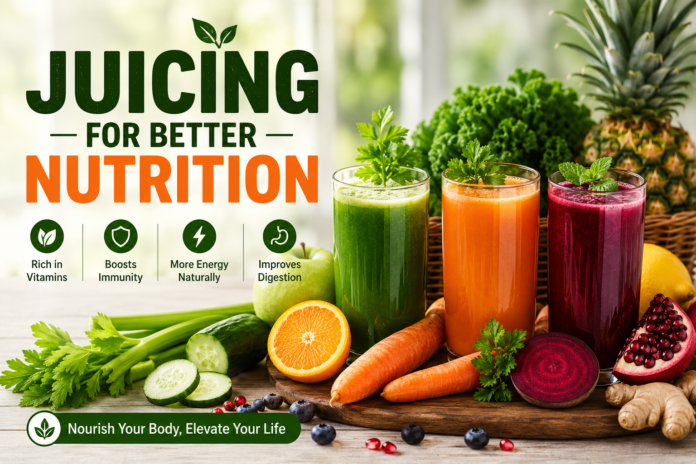

Juicing for Better Nutrition Juicing has become a popular way to enjoy fruits and vegetables in a convenient drink. Colorful juices made from oranges, carrots, apples, spinach, cucumbers, and other produce can look appealing and provide a refreshing way to add variety to your diet. At the same time, there are many misconceptions about what juice can and cannot do for the body.
One common misconception is that drinking juice can replace regular meals or act as a quick solution for changing body weight. That approach is not a good idea, especially for teenagers, whose bodies are still growing and need enough energy and nutrients every day. Instead, Juicing for Better Nutrition is best viewed as one small part of an overall balanced eating pattern.
When used sensibly, homemade juice can complement meals and introduce different fruits and vegetables into your routine. The key is understanding its nutritional strengths and limitations rather than treating it as a special diet. This guide explains how Juicing for Better Nutrition works, what nutrients it can provide, and how to make it part of a balanced lifestyle.
What Is Juicing?
Juicing for Better Nutrition is the process of extracting liquid from fruits and vegetables. Depending on the juicer, much of the solid pulp is separated from the liquid. The result is a drink that can contain water, naturally occurring sugars, vitamins, minerals, and plant compounds from the produce used.
Juice can be made from a wide range of ingredients. Apples, oranges, pineapple, carrots, cucumber, tomatoes, celery, and leafy greens are common choices. Some people combine several ingredients to create different flavors and nutritional profiles. Homemade juice also gives you control over the ingredients and allows you to avoid unnecessary added sweeteners.
However, juice is different from eating whole fruit or vegetables. When produce is juiced, some of the fiber is removed. Fiber is important for digestive health and can help food feel more satisfying. For that reason, juice should complement whole fruits and vegetables rather than replace them.
Nutritional Benefits of Fresh Juice
Freshly prepared juice can provide useful nutrients depending on the ingredients. For example, citrus fruits provide vitamin C, while carrots contain beta-carotene, which the body can convert into vitamin A. Leafy green vegetables can contribute nutrients such as folate and vitamin K.
Juicing for Better Nutrition can also make it easier to experiment with different vegetables. Someone who does not regularly eat certain vegetables may find them easier to enjoy when combined with naturally sweet fruits or milder ingredients. This can make healthy eating feel more interesting rather than repetitive.
Another advantage is hydration. Many fruits and vegetables naturally contain a large amount of water. A fresh juice can contribute to overall fluid intake, although plain water should remain an important everyday beverage. Juice should not be viewed as a replacement for water.
Why Whole Fruits and Vegetables Still Matter
Although juice can contain valuable nutrients, whole fruits and vegetables have an important advantage: they provide fiber. Fiber supports normal digestion and contributes to a balanced diet.
Eating an orange, apple, pear, or handful of berries gives you the entire food rather than only its liquid. The same applies to vegetables. A salad, vegetable soup, stir-fry, or cooked vegetable dish can provide nutrients along with the natural structure and fiber of the produce.
For this reason, it is better to think of Juicing for Better Nutrition as an addition to your diet rather than a replacement for meals. A balanced day can include whole fruits, vegetables, grains, protein-rich foods, dairy or suitable alternatives, and healthy fats, with juice included when you enjoy it.
Healthy Ingredients to Try in Homemade Juice
There are countless combinations to explore when making juice. Carrot and orange can create a naturally sweet drink, while cucumber, celery, and apple can produce a lighter flavor. Pineapple can add sweetness to vegetable-based combinations.
Green juices often contain ingredients such as cucumber, spinach, celery, and apple. While these drinks can be nutritious, adding a large amount of fruit can make them quite sweet. Using a mixture of vegetables and fruit can create a more balanced flavor.
Another option is tomato-based juice. Tomatoes contain several beneficial plant compounds and can be combined with cucumber, celery, or other vegetables. Experimenting with different ingredients can help you discover combinations you genuinely enjoy without turning food into a set of strict rules.
How to Make Juicing Part of a Balanced Routine
The healthiest approach is to treat juice as one component of your normal eating routine. It should not replace breakfast, lunch, dinner, or snacks that your body needs for energy and growth.
For example, a balanced breakfast might include whole-grain toast, eggs, yogurt, fruit, or another combination of nutritious foods. A small glass of fresh juice could be included alongside that meal if you enjoy it. The same principle applies to other meals.
It is also helpful to listen to your body’s hunger and fullness signals. Growing teenagers need adequate food and nutrients, and regularly skipping meals or restricting food can interfere with normal growth and energy levels. Healthy eating is about providing your body with what it needs, not trying to eat as little as possible.
Juicing Mistakes to Avoid
One common mistake is relying on juice as the main source of nutrition. Juice does not provide the same combination of protein, fiber, fats, carbohydrates, and other nutrients found in a varied meal.
Another mistake is adding large amounts of sweeteners. Fruits already contain naturally occurring sugars, so extra sugar is usually unnecessary. If a juice tastes too sweet, adding more vegetables, cucumber, or water can change the flavor.
It is also important to practice good food hygiene. Fruits and vegetables should be washed properly before preparation, and Juicing for Better Nutrition equipment should be cleaned thoroughly after use. Fresh juice can spoil, so it should be handled and stored safely according to food-safety guidance.
Juicing and Energy for Daily Life
Teenagers need enough energy to support school, physical activity, concentration, development, and everyday life. That is why restrictive diets and meal replacements are not appropriate approaches to nutrition during adolescence.
A nutritious eating pattern should contain a variety of foods. Carbohydrates provide an important source of energy, protein supports growth and tissue maintenance, fats help provide energy and support normal body functions, and fruits and vegetables contribute vitamins, minerals, fiber, and other plant compounds.
Juice can fit into that picture, but it cannot provide everything the body needs on its own. Pairing juice with a proper meal is generally more useful than treating juice as a substitute for food.
Can Juicing Replace a Balanced Diet?
No. Juicing for Better Nutrition cannot replace a balanced diet because juice is missing or low in several nutrients that are important for everyday nutrition. Depending on the ingredients and preparation method, it may contain little protein and considerably less fiber than the original whole foods.
A varied diet gives the body access to nutrients from different food groups. Whole grains, beans, eggs, dairy or alternatives, fish or other protein foods, nuts and seeds, fruits, and vegetables can all contribute different nutrients.
The best approach is therefore variety rather than dependence on one food or drink. If you enjoy juice, include it as part of a broader eating pattern instead of using it as a meal replacement.
A Simple Way to Think About Juicing
Rather than asking whether juice can change your body weight, it is more useful to ask whether a particular juice helps you enjoy nutritious foods. This shift can make food choices less stressful and more practical.
A good juice can be colorful, refreshing, and enjoyable. It can introduce you to vegetables you might not otherwise try and provide nutrients from the produce used. At the same time, whole foods should remain an important part of your diet.
Healthy habits are built over time. Eating regular balanced meals, drinking enough water, getting adequate sleep, staying active in enjoyable ways, and having a positive relationship with food are more meaningful than following restrictive juice plans.
Frequently Asked Questions
Is juicing healthy?
Juicing for Better Nutrition can be part of a healthy eating pattern when it is made from nutritious ingredients and consumed alongside a varied diet. It should not replace regular balanced meals.
Is whole fruit better than fruit juice?
Whole fruit generally provides more fiber because the fruit’s natural structure remains intact. Juice can still provide nutrients, but it should complement rather than replace whole fruit.
Can teenagers follow juice-only diets?
Juice-only diets are not appropriate for teenagers. Growing bodies need adequate energy, protein, fats, carbohydrates, vitamins, minerals, and other nutrients that cannot reliably be supplied by juice alone.
What vegetables work well in juice?
Carrots, cucumber, tomatoes, celery, spinach, and other vegetables can work well. They can be combined with a smaller amount of fruit to create different flavors.
Should juice replace meals?
No. Meals provide a broader range of nutrients than juice. Juice can be enjoyed alongside a balanced meal or as an occasional beverage, depending on individual nutritional needs.
Final Thoughts
Juicing for Better Nutrition can be an enjoyable way to explore fruits and vegetables, but it should not be treated as a shortcut for changing body weight or replacing meals. The most useful role for juice is as a small part of a varied and balanced eating pattern.
For teenagers especially, nutrition should focus on supporting growth, energy, learning, activity, and overall well-being. Whole fruits and vegetables, balanced meals, sufficient hydration, regular movement, and adequate sleep all play important roles.
If you enjoy fresh juice, there is no need to make it complicated. Choose a variety of produce, keep whole fruits and vegetables in your regular meals, avoid turning juice into a restrictive diet, and focus on nourishing your body rather than trying to meet a particular appearance or weight goal.
You May Also Read: Karen Lynch and Elizabeth Taylor