
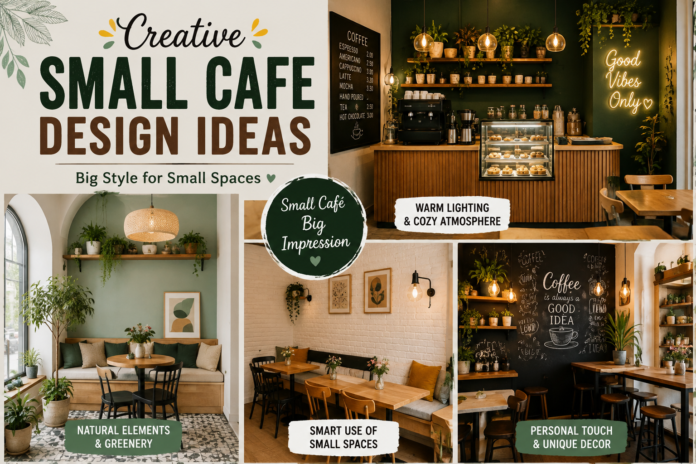

Creative Small Cafe Design Ideas A small cafe does not need a huge floor plan to make a strong impression. In fact, limited space can often inspire better design choices. With the right layout, lighting, colors, furniture, and decorative details, even a compact cafe can feel comfortable, attractive, and memorable. This is why creative small cafe design has become an important topic for cafe owners who want to create a space that looks great without spending a fortune.
Designing a small cafe is all about making every corner useful while keeping the atmosphere welcoming. Customers should be able to walk in comfortably, find a place to sit, order their food or drinks easily, and enjoy the environment without feeling crowded. At the same time, the design should reflect the personality of the cafe and give people a reason to remember it.
Whether you are planning a new coffee shop, renovating an existing cafe, or simply looking for inspiration, thoughtful design can make a major difference. Below are practical and creative small cafe design ideas that combine style, comfort, functionality, and personality.
Why Small Cafe Design Matters
The design of a cafe is often the first thing customers notice. Before they taste the coffee or read the menu, they see the entrance, furniture, colors, lighting, and overall atmosphere. A well-designed space can immediately make customers feel relaxed and curious, while a poorly planned layout can make even a good cafe feel uncomfortable.
For a small cafe, design becomes even more important because there is less room for mistakes. Every table, chair, shelf, counter, and decoration takes up valuable space. Instead of filling the room with unnecessary furniture, cafe owners need to think carefully about how each element will be used.
A smart design also helps create a recognizable brand. A cafe with a unique visual identity can stand out from competitors and become a place customers remember. Simple features such as a distinctive wall, attractive counter, interesting light fixtures, or a creative menu board can give a small cafe its own character.
Start With a Smart Cafe Layout
The layout should be the foundation of any small cafe design. Before choosing colors or decorations, decide how customers and staff will move through the space. A clear path from the entrance to the ordering counter and seating area can make the cafe feel much larger than it actually is.
Avoid placing large furniture directly in busy walking areas. Tables should have enough space around them for customers and staff to move comfortably. If the cafe is extremely small, consider using smaller tables that can be moved or combined when needed.
The counter also deserves careful planning. In many cafes, the counter becomes the main visual feature, so it should be attractive while remaining practical. Shelves, storage, equipment, and payment areas can be integrated into the counter design to reduce clutter and save floor space.
Choose Space-Saving Furniture
Furniture can quickly consume valuable floor space in a small cafe. Instead of choosing large sofas and oversized tables, look for compact furniture that provides comfort without dominating the room. Slim chairs, small round tables, benches, and narrow counters can work especially well.
Wall-mounted tables are another useful option. They can provide seating without taking up as much floor space as traditional tables. Foldable furniture can also be helpful because it allows the layout to change depending on customer demand or special events.
Built-in seating can make excellent use of awkward corners. A simple bench along a wall can provide several seats while leaving the center of the cafe open. Add small cushions or comfortable upholstery to make the seating more inviting without making it visually heavy.
Use Light Colors to Make the Space Feel Bigger
Color has a powerful effect on how customers perceive a small room. Light and neutral shades can make walls appear more open and help reflect natural light. White, cream, soft beige, light gray, and gentle earthy tones are popular choices for compact cafe interiors.
However, using only one color can make the cafe feel plain. Add personality through carefully selected accent colors. A muted green wall, warm wooden elements, colorful artwork, or a few decorative objects can create visual interest without overwhelming the space.
The goal is balance. Too many strong colors and patterns can make a small cafe look busy, while too many plain surfaces can make it feel cold. A simple base color combined with one or two accent shades usually creates a clean and attractive result.
Make Natural Light Part of the Design
Natural light can make a small cafe feel brighter, cleaner, and more spacious. If the cafe has large windows, avoid blocking them with tall furniture or heavy curtains. Keep window areas open so daylight can spread throughout the room.
If privacy is a concern, use light curtains, blinds, or frosted window details instead of completely covering the glass. Natural light can also improve the appearance of food and drinks, making the space more appealing for customers who enjoy taking photos.
Mirrors can be used alongside natural light to create an additional sense of openness. A strategically placed mirror can reflect daylight and visually extend the room. Instead of covering every wall with mirrors, use one large statement mirror or a few smaller decorative pieces.
Create a Cozy Atmosphere With Lighting
Good lighting can completely change the personality of a cafe. During the day, natural light can create a fresh atmosphere, while warm artificial lighting can make the space feel cozy in the evening.
Pendant lights above tables or the counter can add style without using much floor space. Wall lights are another practical option because they keep surfaces clear. Small decorative lights can also be used to highlight artwork, shelves, plants, or architectural details.
Avoid relying on one harsh ceiling light. Multiple light sources create layers and allow different parts of the cafe to have their own mood. The right combination of general, task, and decorative lighting can make a small space feel more sophisticated.
Add Greenery Without Losing Space
Plants are an easy way to make a small cafe feel fresh and welcoming. You do not need dozens of large plants to achieve the effect. A few carefully placed plants can add color and natural texture.
Hanging planters are especially useful because they use vertical space instead of valuable floor space. Small plants can also be placed on shelves, window ledges, or the counter. If maintaining real plants is difficult, high-quality artificial greenery can provide a similar visual effect.
A plant wall can become a memorable feature if there is enough vertical space. Even a small section with greenery can work as a background for photographs and social media posts, helping the cafe create a recognizable visual identity.
Use Walls as Functional Design Elements
In a small cafe, walls should not be treated as empty surfaces. They can provide storage, branding, decoration, and even seating opportunities. Open shelves, for example, can display coffee equipment, cups, books, plants, or decorative objects.
A feature wall can also become the visual center of the cafe. Consider using textured paint, wood panels, exposed brick, artwork, or a simple mural. The design should match the cafe’s overall theme instead of looking like a separate decoration.
A menu wall can combine function and style. A clean chalkboard, modern typography, or illuminated menu can make ordering easier while adding personality. Keeping the information organized is important because a cluttered menu can make even a beautiful interior look messy.
Choose a Clear Design Theme
A small cafe usually looks better when its design follows a consistent theme. This does not mean everything needs to match perfectly. Instead, the colors, furniture, lighting, materials, and decorations should feel like they belong together.
A minimalist cafe may use neutral colors, simple furniture, natural materials, and clean lines. An industrial cafe could combine metal, wood, exposed textures, and practical lighting. A modern cafe might focus on smooth surfaces, simple shapes, and contemporary furniture.
You can also create a cozy rustic cafe using wood, warm lighting, natural textures, and handmade decorative elements. The important thing is to choose a direction before buying furniture and decorations. This prevents random items from making the space feel disconnected.
Make the Cafe Instagram-Friendly
Today, visual appeal can play a major role in cafe marketing. Customers often photograph attractive interiors, food, drinks, and special corners. A small cafe can take advantage of this by creating one or two visually interesting areas.
A branded wall, neon-style sign, artistic mural, attractive coffee counter, or unique seating corner can become a natural photo spot. Keep the design authentic rather than creating something that looks overly promotional.
Good photography areas do not need to be expensive. A textured wall, wooden bench, plants, warm lighting, and a small logo can create a memorable background. When customers share their photos online, the cafe can gain additional exposure through organic social media activity.
Use Mirrors and Vertical Space Wisely
Mirrors are one of the simplest tricks for making a compact cafe appear more spacious. A large mirror placed on a suitable wall can reflect furniture and light, creating a stronger sense of depth.
Vertical space is equally valuable. Instead of spreading everything across the floor, use tall shelving, hanging lights, wall-mounted storage, and vertical artwork. This keeps the floor more open and gives the eye something interesting to look at.
However, avoid filling every wall from floor to ceiling. Leaving some empty space helps the interior breathe and prevents it from feeling crowded. Good small cafe design is often about knowing what not to add.
Select Materials That Feel Warm and Natural
Materials can influence the overall feeling of a cafe. Wood is popular because it adds warmth and works with many different styles. It can be used for tables, counters, shelves, wall panels, or decorative details.
Other materials such as metal, glass, stone, ceramic, and textured fabrics can be combined to create contrast. For example, wooden tables with simple metal chairs can create a modern industrial look, while wood combined with soft upholstery can create a warmer atmosphere.
Durability should also be considered. Cafe furniture experiences regular use, so materials should be easy to clean and strong enough for everyday customer traffic. Beautiful design is useful, but practical design will perform better over time.
Keep Storage Hidden and Organized
One of the biggest challenges in a small cafe is storage. Cups, ingredients, cleaning supplies, packaging, equipment, and other items can quickly create visual clutter.
Use built-in cabinets, under-counter storage, wall shelves, and multipurpose furniture wherever possible. Keep frequently used items easy for staff to reach while storing less frequently used items in less visible areas.
A clean cafe automatically feels more spacious. Even the most creative interior can lose its charm if counters are covered with unnecessary objects. Good storage planning should therefore be part of the design from the beginning rather than an afterthought.
Create a Comfortable Customer Experience
A cafe should look attractive, but comfort should always come first. Customers may stay for a few minutes or several hours, depending on the type of cafe. Seating should support the intended customer experience.
If the cafe attracts students or remote workers, include seating with comfortable chairs and accessible tables. If the focus is on quick coffee visits, smaller tables and efficient seating may be more appropriate.
Sound is another part of comfort. Hard surfaces can sometimes make a small cafe noisy, especially when many customers are talking. Curtains, upholstered seating, rugs, acoustic panels, and other soft materials can help reduce excessive echo while also adding visual warmth.
Small Details Can Make a Big Difference
You do not need a huge renovation budget to create a creative cafe interior. Small details can have a surprisingly strong impact. Custom cups, attractive table numbers, unique menu boards, handmade signs, artwork, and branded packaging can all strengthen the cafe’s personality.
Even the smallest corners can be designed with purpose. A narrow shelf with plants and books, a small artwork collection, or a beautifully styled coffee station can make an otherwise unused area interesting.
Consistency is the key. When small details follow the same color palette and design style, they create a polished appearance. Customers may not consciously notice every detail, but they will notice the overall feeling of the space.
Budget-Friendly Creative Small Cafe Design Ideas
A limited budget does not mean the cafe has to look basic. Start by investing in the areas customers notice most, such as the entrance, counter, lighting, seating, and one feature wall.
Repurposed furniture can also add character. Old wooden tables, refurbished chairs, vintage frames, or reclaimed materials can create a unique atmosphere while reducing costs. The important thing is to make sure the items are safe, clean, and suitable for regular commercial use.
Paint is another affordable design tool. Changing wall colors, painting a feature wall, or refreshing old furniture can produce a noticeable transformation without a complete renovation. Combine these changes with better lighting and organized furniture, and the entire cafe can feel new.
Common Small Cafe Design Mistakes to Avoid
One common mistake is trying to fit too much into a small space. Too many chairs, tables, decorations, and display items can make the cafe uncomfortable. Leave enough open space for movement and focus on quality rather than quantity.
Another mistake is ignoring the customer journey. A beautiful interior will not solve problems caused by a badly positioned counter, confusing entrance, limited seating access, or blocked walking paths. Design should support the way people actually use the cafe.
Finally, avoid following trends without considering the cafe’s identity. Popular colors and styles can provide inspiration, but your cafe should still feel original. A timeless foundation with a few modern touches is often more effective than copying a design that may look outdated in a few years.
Final Thoughts on Creative Small Cafe Design
A successful creative small cafe design is not about making a tiny space look expensive. It is about using limited space intelligently and creating an environment where customers feel comfortable, welcome, and connected to the cafe’s personality.
Start with a practical layout, choose space-saving furniture, use light and color carefully, and make the walls and vertical areas work harder. Add greenery, warm lighting, thoughtful branding, and a few memorable details to give the cafe character. Most importantly, make sure the design supports the customer experience rather than focusing only on appearance.
A small cafe can be just as memorable as a large one when the design is carefully planned. With creativity, smart organization, and a clear visual identity, even a compact space can become a stylish destination that customers enjoy visiting and sharing with others.
You May Also Read: Furniture on Rent Near Me